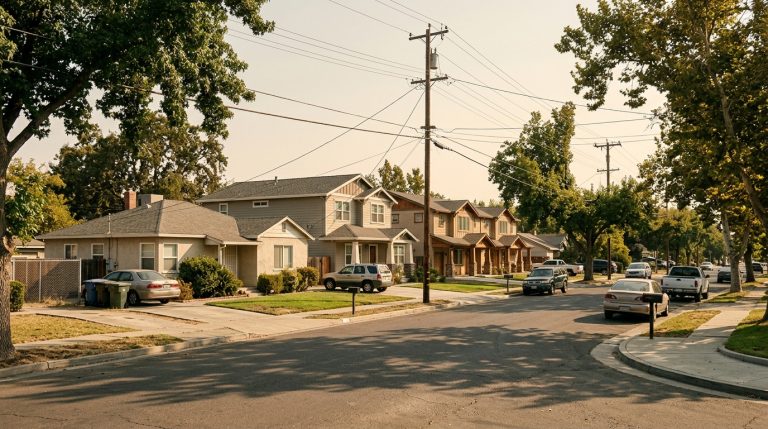

The Sacramento County housing zoning changes 2026 could affect how new homes are planned in unincorporated parts of the county. Sacramento County is considering a broad zoning update designed to make infill housing easier to build.
The proposal covers several types of development. It would change rules for multifamily housing, commercial corridors, mixed-use projects, adaptive reuse, and smaller multiunit buildings such as triplexes and fourplexes.
The County has already held public meetings and a Planning Commission hearing. The current schedule lists a Board of Supervisors hearing for November 17, 2026. If adopted, implementation could begin in December.
This does not mean construction will start across Sacramento County immediately. Zoning rules decide what may be allowed on a property. Individual projects still need to meet the standards and approval steps that apply to them.
This guide explains the main ideas in the proposal, where the rules matter, and what residents should watch before the Board takes final action.
What the Sacramento County Housing Zoning Changes 2026 Would Do

The Housing and Infill Zoning Code Amendment grew out of a broader County effort to remove barriers to housing construction. Sacramento County began discussing the changes after a 2024 Board workshop on housing and infill development.
The proposal now includes several changes to the County Zoning Code. These updates focus on areas where homes could be added within communities that already have roads, utilities, businesses, and public services.
The package would revise multifamily standards across the county. It would also change rules for projects along commercial corridors and for buildings converted to new uses.
Another major part of the proposal involves smaller multiunit buildings. The County wants to allow neighborhood-scale housing such as triplexes and fourplexes in certain residential areas where single-family zoning currently dominates.
Triplexes and Fourplexes Could Become Easier to Build
One of the most discussed changes involves neighborhood-scale multiunit housing. These buildings can add several homes to one property without creating a large apartment complex.
A triplex contains three housing units. A fourplex contains four. Their size and design can vary, but they often fit on smaller lots than a traditional apartment building.
The proposed County changes would allow these types of buildings in single-family residential zoning districts under updated rules.
That could create more housing choices in unincorporated communities. A property might support several smaller homes instead of one larger house, depending on its zoning, lot size, utilities, and other requirements.
By-Right Housing Does Not Mean There Are No Rules
The phrase “by right” can cause confusion. It does not mean a property owner can build anything without review.
In general, by-right development means a project can move forward without a discretionary use permit when it meets the required standards. Building codes, setbacks, height limits, utility rules, fire access, and other requirements still apply.
A project may also need building permits, engineering review, utility approvals, or other clearances. The exact process depends on the site and the proposed development.
Residents should therefore avoid treating the zoning amendment as automatic approval for a specific property.
This is similar to the distinction explained in our guide to Sacramento County public project statuses. A policy change, approval, permit, and active construction are different stages.
Multifamily Housing and Commercial Corridors Could See New Rules
The proposal also changes how the County handles multifamily housing. Current rules can require a use permit for some projects. The new package would remove that requirement for multifamily development in covered situations.
The goal is to reduce steps that can add time and cost before construction begins. A project would still need to meet the zoning standards that apply to the property.
Commercial corridors are another major focus. Many older roads in unincorporated Sacramento County contain shopping centers, offices, parking lots, and other low-density commercial properties.
Some of these sites could support housing or mixed-use redevelopment over time. A mixed-use project can combine homes with shops, offices, restaurants, or services.
The County is also reviewing standards for adaptive reuse. That can involve converting an existing commercial building into housing instead of demolishing the structure and starting over.
Parking and Design Standards Are Part of the Proposal
Parking rules can have a large effect on housing projects. Requiring more spaces means developers need more land or more expensive parking structures.
Sacramento County’s housing and infill work includes changes to parking standards for multifamily and commercial-corridor development. The County is also reviewing other design rules that affect building layout.
Reducing a parking minimum does not mean a project must provide no parking. It means the minimum number of required spaces may change.
Developers can still provide additional spaces when the project needs them. Market demand, disability access, property size, transit access, and neighborhood conditions can all influence the final design.
Residents should look at the actual project when one is proposed. A zoning rule alone cannot tell you how many cars a future building will generate or where residents will park.
The same principle applies to building design. Updated standards may make housing easier to build while still regulating height, setbacks, landscaping, open space, and other site features.
What Residents Should Know Before the November 2026 Hearing
The County’s current schedule lists a Board of Supervisors hearing for November 17. That hearing is an important step because the Board can decide whether to adopt the proposed zoning changes.
Residents should first confirm whether they live inside an incorporated city or in unincorporated Sacramento County.
This difference is essential. The City of Sacramento has its own zoning rules. So do Elk Grove, Folsom, Rancho Cordova, Citrus Heights, Galt, and Isleton.
A Sacramento mailing address does not always mean a property sits inside the City of Sacramento. Communities such as Arden Arcade, Carmichael, Fair Oaks, Orangevale, North Highlands, Foothill Farms, Rio Linda, and other areas include large amounts of unincorporated land.
Check the exact parcel before assuming the County amendment applies.
Adoption Would Change the Rules, Not Build Thousands of Homes Overnight

Zoning reforms often produce dramatic headlines. The real process usually moves more slowly.
If the Board approves the amendment, property owners and developers would gain new options under the updated code. They would still need viable sites, financing, construction plans, utility capacity, and permits.
Some eligible properties may never redevelop. Others may change many years after the zoning update.
Economic conditions also matter. Higher interest rates, construction costs, land prices, insurance costs, and available financing can affect whether a project moves forward.
For that reason, residents should treat zoning as a framework for future development rather than a construction schedule.
A Zoning Change Is Not the Same as a Construction Permit
Suppose a commercial property becomes eligible for housing under updated rules. That change does not mean apartments will appear the next month.
An owner would first need a real development plan. The project may need architectural drawings, building permits, utility review, drainage work, fire review, and other approvals.
Larger projects can require additional environmental or engineering work. Construction cannot begin simply because the underlying zoning allows housing.
This distinction is useful when residents see a rendering online. Always check whether the image shows an early concept, an application, an approved project, or something already under construction.
Our Sacramento County project-status guide explains how to tell those stages apart.
Check the Exact Parcel and Community Before Drawing Conclusions
The best way to understand the proposal is to start with a specific property rather than a countywide headline.
First, confirm whether the parcel sits in unincorporated Sacramento County. Next, check its zoning designation. Then review the rules proposed for that zoning district.
Sacramento County provides an interactive zoning map and a Planning Projects Viewer for unincorporated areas. These tools can help residents understand current zoning and active planning applications.
Remember that nearby properties can have different zoning. Two lots on the same road may also fall under different planning areas or special development standards.
Residents interested in county development should also understand the geography before comparing projects. Our Sacramento County directory helps separate communities and destinations across the county.
The Sacramento County housing zoning changes 2026 could become an important shift in how the unincorporated county plans for housing. The proposal aims to make multifamily projects easier to process, create options for smaller multiunit homes, support adaptive reuse, and encourage more housing along commercial corridors.
Supporters may see these changes as a way to increase housing supply and use existing developed areas more efficiently. Residents may also have questions about parking, neighborhood character, traffic, infrastructure, and how new buildings will fit beside existing homes.
Those concerns should be evaluated using the actual zoning language and specific project details. Broad claims can make the proposal sound much larger or simpler than it is.
The next major date is the planned November 17 Board of Supervisors hearing. Until the Board acts, the September 2026 amendments remain a proposal rather than an adopted countywide zoning rule.
For the latest documents, hearing information, and proposed amendments, use the official Sacramento County Housing and Infill Zoning Code Amendment page before making property or development decisions.