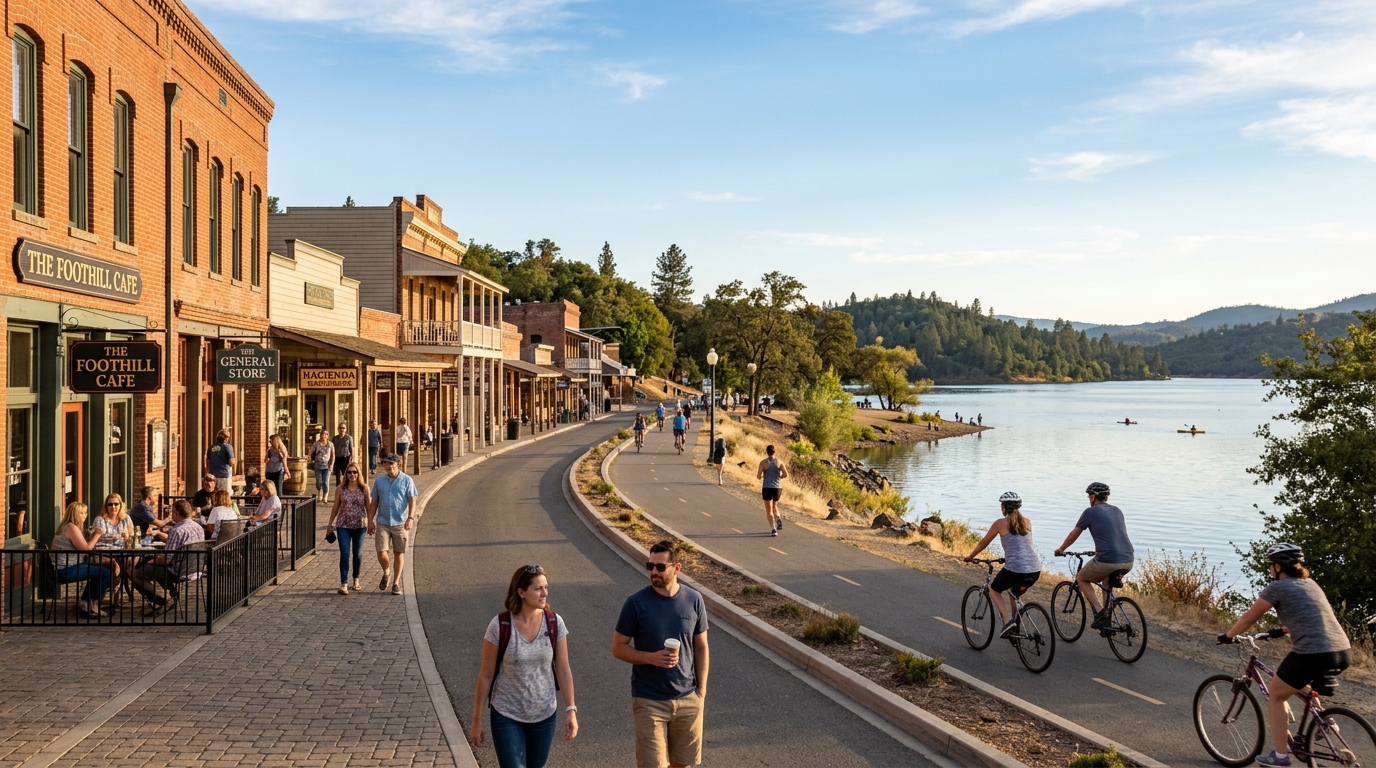
Historic Folsom and Lake Natoma make one of Sacramento County’s easiest two-part getaways. The historic district offers walkable streets, museums, small businesses and river views, while the lake and surrounding trails provide a quieter outdoor counterpoint only a short distance away. The combination works because visitors can move between history and recreation without spending the entire day in the car.
The strongest itinerary does not try to cover every museum, trail and waterfront access point. Choose one history-focused activity, allow time for a relaxed meal, and then select one Lake Natoma experience that matches the group’s energy and comfort around water. This guide is designed for a day trip or a low-pressure weekend, with enough flexibility for seasonal hours, heat, events and changing park conditions.
Spend the First Half of the Day in Historic Folsom
Start with Sutter Street and a simple walking route
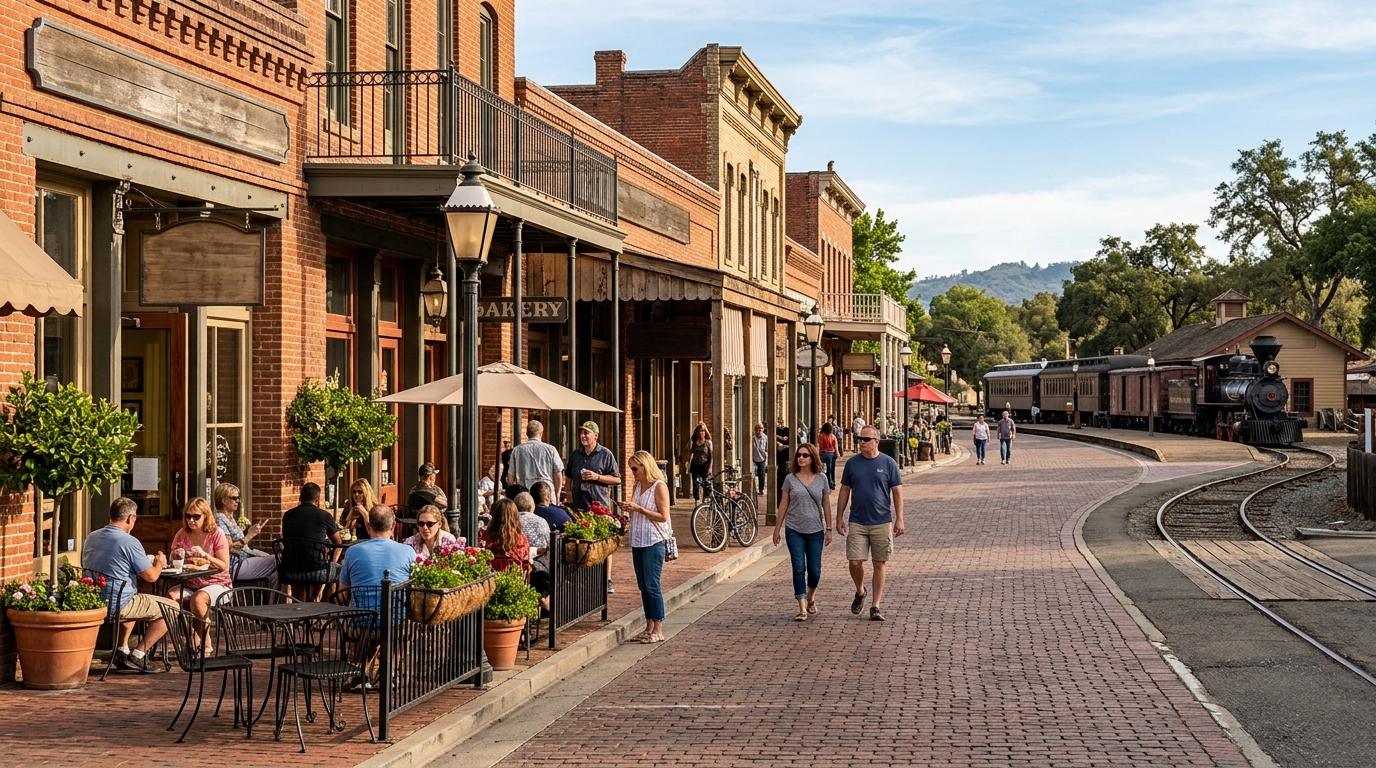
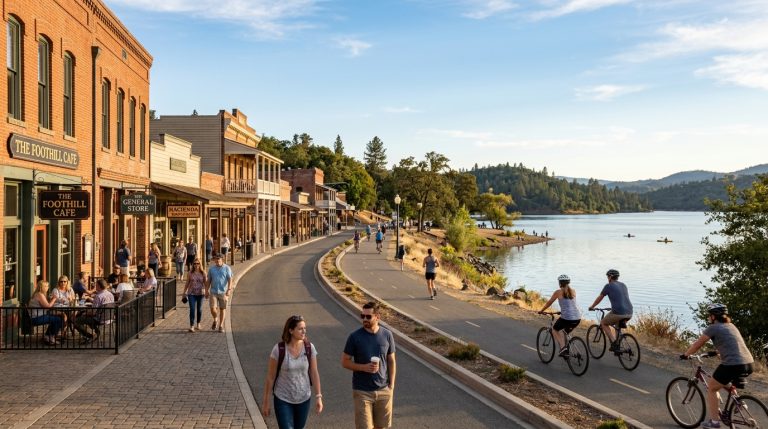
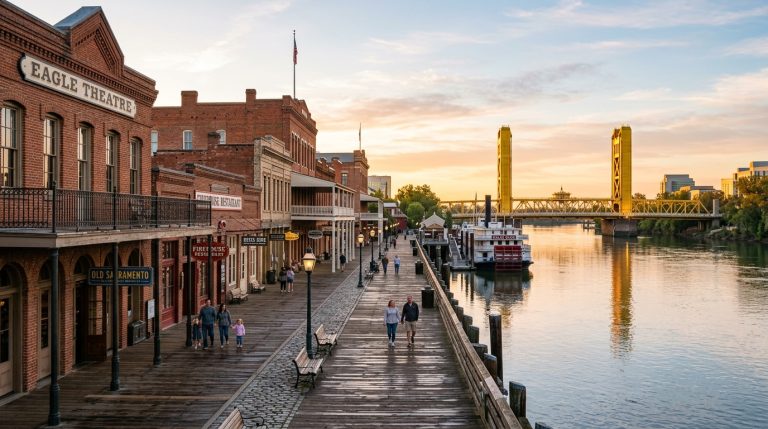
Begin in the Historic Folsom district while the day is still cool and parking is easier to understand. Sutter Street provides the clearest introduction, with preserved commercial buildings, cafés, shops and connections to the railroad and American River. Rather than moving back and forth across the district, create a simple loop that includes Historic Folsom Plaza, Sutter Street, the depot area, Leidesdorff Plaza and the Truss Bridge.
The City of Folsom offers a curated Historic Folsom Walking Tour that uses mapped stops, historic photographs and audio stories. Visitors can begin at the plaza or enter the route at another point. That makes it useful for families and mixed-age groups because the walk can be shortened without losing the overall experience. Review the official Historic Folsom Walking Tour before arriving and download any needed material while internet access is reliable.
Use the district as a neighborhood, not a checklist
Historic Folsom is still an active business and residential district. Allow time to enter a locally operated shop, stop for coffee or sit near the plaza instead of photographing every façade and immediately moving on. Respect private areas, event setups and business entrances. If a street is closed for a market, festival or performance, treat the event as part of the day rather than trying to force the original walking route.
Visitors can connect this part of the itinerary with the site’s Folsom community guide and Museums and History guide. Those pages should help readers decide whether the historic district is the main destination or one part of a broader Sacramento County weekend.
Choose one museum or history stop
The Folsom History Museum is the most direct way to add context to the district. Its permanent interpretation follows local history from Indigenous Nisenan communities through later periods of innovation and development. The organization also operates The Square, an outdoor museum and makerspace formerly known as Pioneer Village. Exhibitions, classes, ticketing and operating days can change, so verify current information through the official Folsom History website.
Do not assume that every history attraction will fit into the same morning. A museum visit, full walking tour, railroad stop and long meal can easily fill most of the day. Choose the experience that best matches the group. Adults interested in local history may want more museum time, while families with younger children may prefer a short exhibit followed by open space and lunch.
When choosing a restaurant, prioritize convenience and current operating hours rather than building the schedule around an old recommendation. The district includes cafés, restaurants and drinking establishments, but individual hours and reservation policies vary. Browse the site’s Food and Drink guide or Restaurant directory, then confirm directly with the business.
Shift the Afternoon Toward Lake Natoma
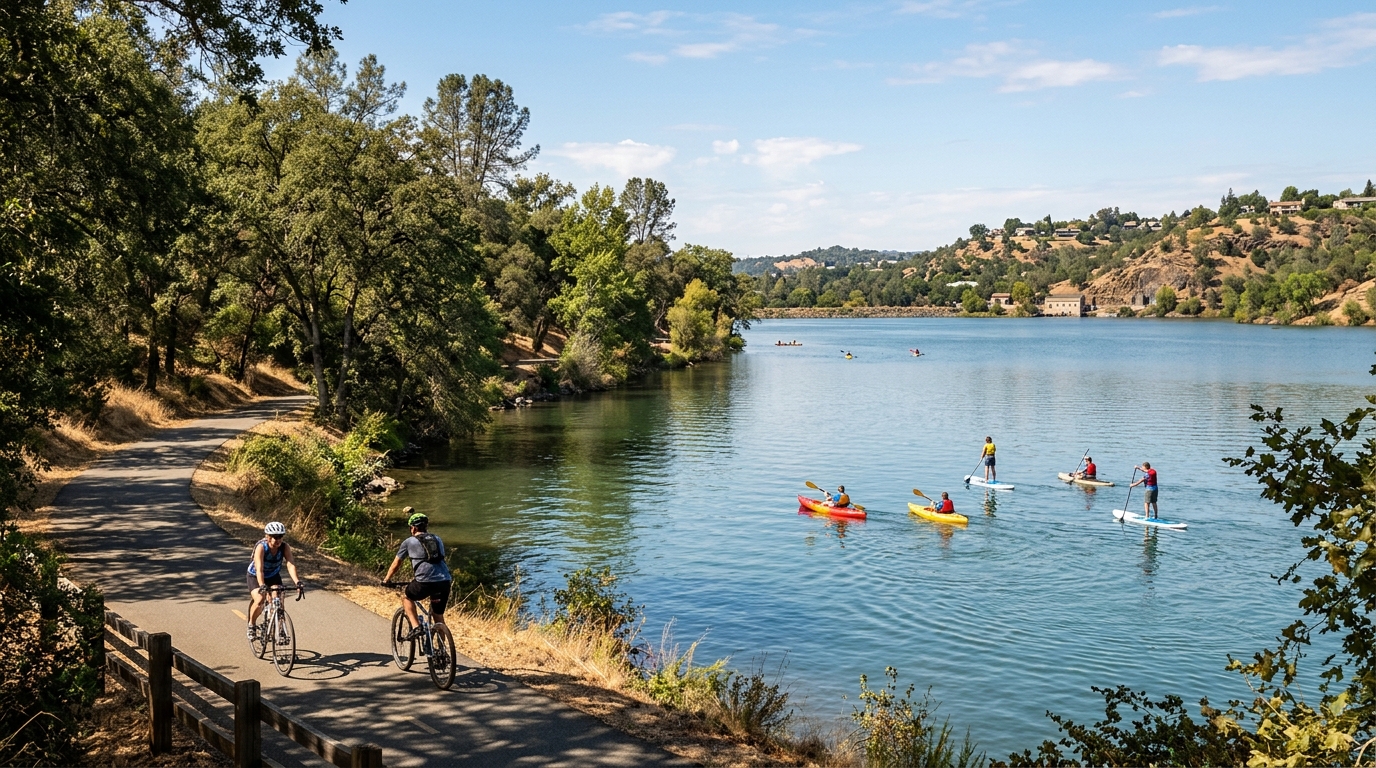
Lake Natoma is part of Folsom Lake State Recreation Area and provides a different experience from the larger Folsom Lake. California State Parks primarily manages Lake Natoma for non-motorized and slow-speed recreation, with a five-mile-per-hour limit across the lake. Rowing, kayaking, paddleboarding and shoreline activities are common, but access points and conditions differ.
Black Miners Bar, Nimbus Flat, Willow Creek and other entrances serve different parts of the lake and trail network. Select the access point based on the activity rather than choosing the first result shown by a map application. Parking fees, hours, temporary closures and facility availability should be checked on the official Folsom Lake State Recreation Area page on the morning of the visit.
Choose a shoreline walk, trail ride or paddle—not all three
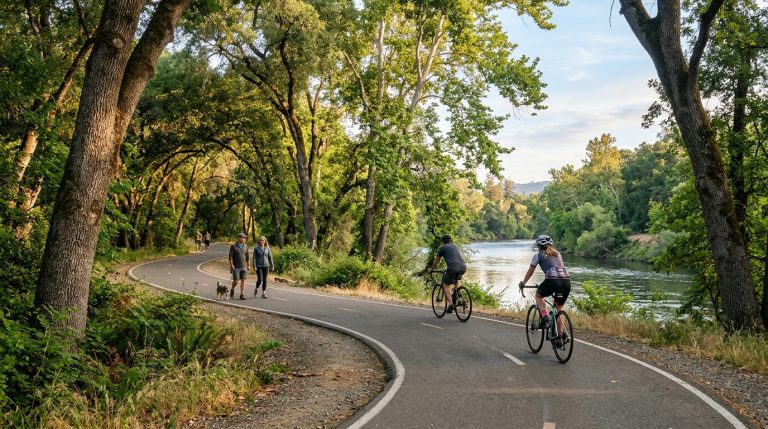
A short shoreline walk is the lowest-pressure option after a morning in the historic district. It allows visitors to enjoy the water and landscape without needing rental equipment or a long athletic commitment. Cyclists can use connections within Folsom’s extensive trail system, which includes more than 50 miles of Class I bicycle and pedestrian trails. Riders should follow posted speed rules, pass predictably and stay alert around walkers and children.
Paddling requires more preparation. Confirm equipment availability, rental terms, launch access, weather and water conditions before arriving. Wear a properly fitted life jacket, keep children under close supervision and never treat calm-looking water as hazard-free. California State Parks advises visitors to swim only in designated areas, avoid swimming alone and use flotation equipment during water activities.
If the group has already spent several hours walking, a long paddle or bike ride may turn a balanced day into an exhausting one. Choose one outdoor activity and leave time to sit beside the water. The site’s Parks and Trails directory and Parks and Outdoors guide can support future visits without crowding everything into this itinerary.
Build a Weekend That Can Adjust to Conditions
Plan around weather, park hours and special events
Spring and fall often provide comfortable conditions for combining the historic district with outdoor recreation. Summer visits require an earlier start, extra water and a realistic limit on exposed afternoon activity. Winter can bring cold mornings, rain and Central Valley fog. Bring layers, check the forecast and be willing to move the museum portion later if outdoor conditions are poor.
Folsom Lake State Recreation Area uses seasonal entrance hours, and different access points may not follow identical schedules. State Parks also publishes advisories and special-event notices that can affect trails, parking and water access. Large rowing, swimming or paddling events may not close the entire lake, but they can change crowd levels and the usefulness of a particular entrance.
Verify the final itinerary on the morning of the trip
Before leaving, check four items: Historic Folsom events, museum hours, state-park advisories and the weather forecast. Save the parking location, download the walking route and carry water even when the plan appears mostly urban. If a lake entrance is closed or crowded, do not improvise by parking illegally or entering an unmarked shoreline area.
A practical Saturday might begin with a short historic walking tour, continue with one museum and lunch, then finish with an easy Lake Natoma trail walk. A more active Sunday could start at the lake with a paddle or bike ride before returning to Sutter Street for a late meal. Visitors staying overnight can separate history and recreation into different days, which removes the pressure to watch the clock.
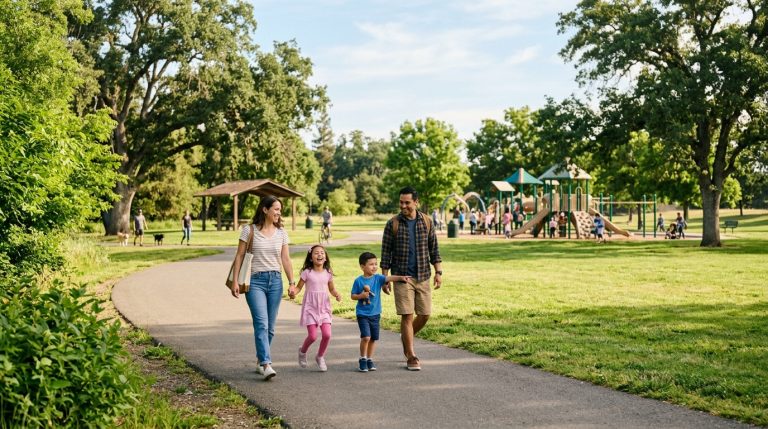
Families should plan around the youngest participant, not the adult who wants the most mileage. Couples and solo visitors may prefer a longer trail segment or more time inside museums. Travelers with limited mobility should review attraction and park accessibility information individually because historic paving, slopes, shoreline surfaces and trail access vary.
For a smoother transition between town and water, keep a small day bag in the vehicle with refillable bottles, sun protection, walking shoes, lightweight layers, a basic first-aid kit and dry clothing for anyone going near the lake. Secure valuables out of sight before parking, and carry out every item brought into the recreation area. A simple preparation routine makes it easier to change the plan without buying emergency supplies or driving back across town.
The best Historic Folsom and Lake Natoma weekend feels connected rather than crowded. The historic district explains how transportation, industry and community shaped Folsom, while the lake and trails reveal the outdoor landscape that now defines much of the city’s appeal. Choose fewer stops, confirm current conditions and leave enough unscheduled time to enjoy both sides of the destination.