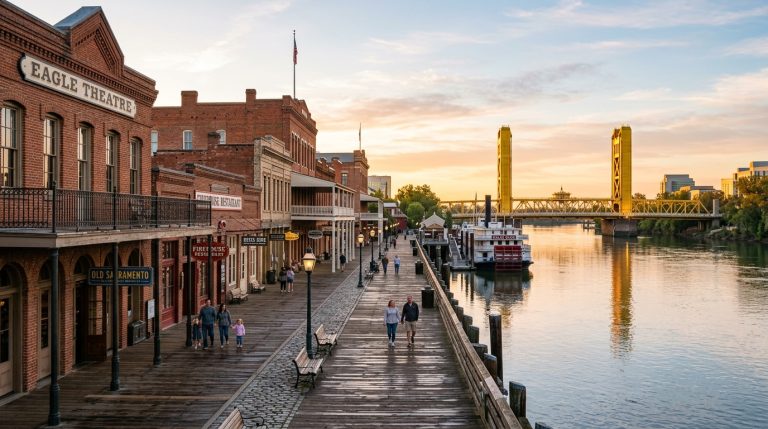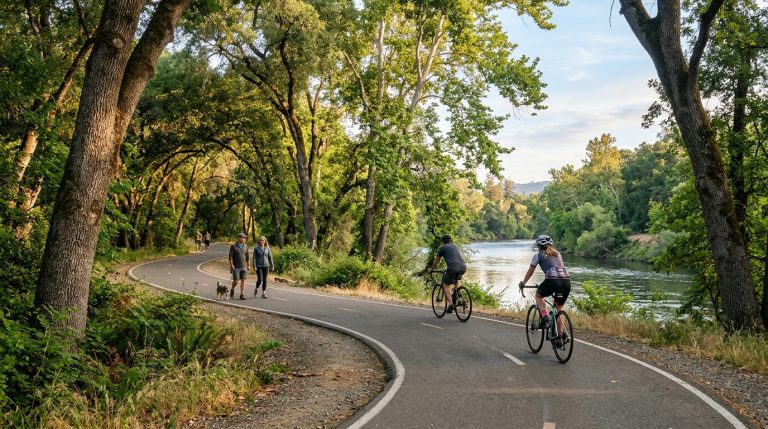
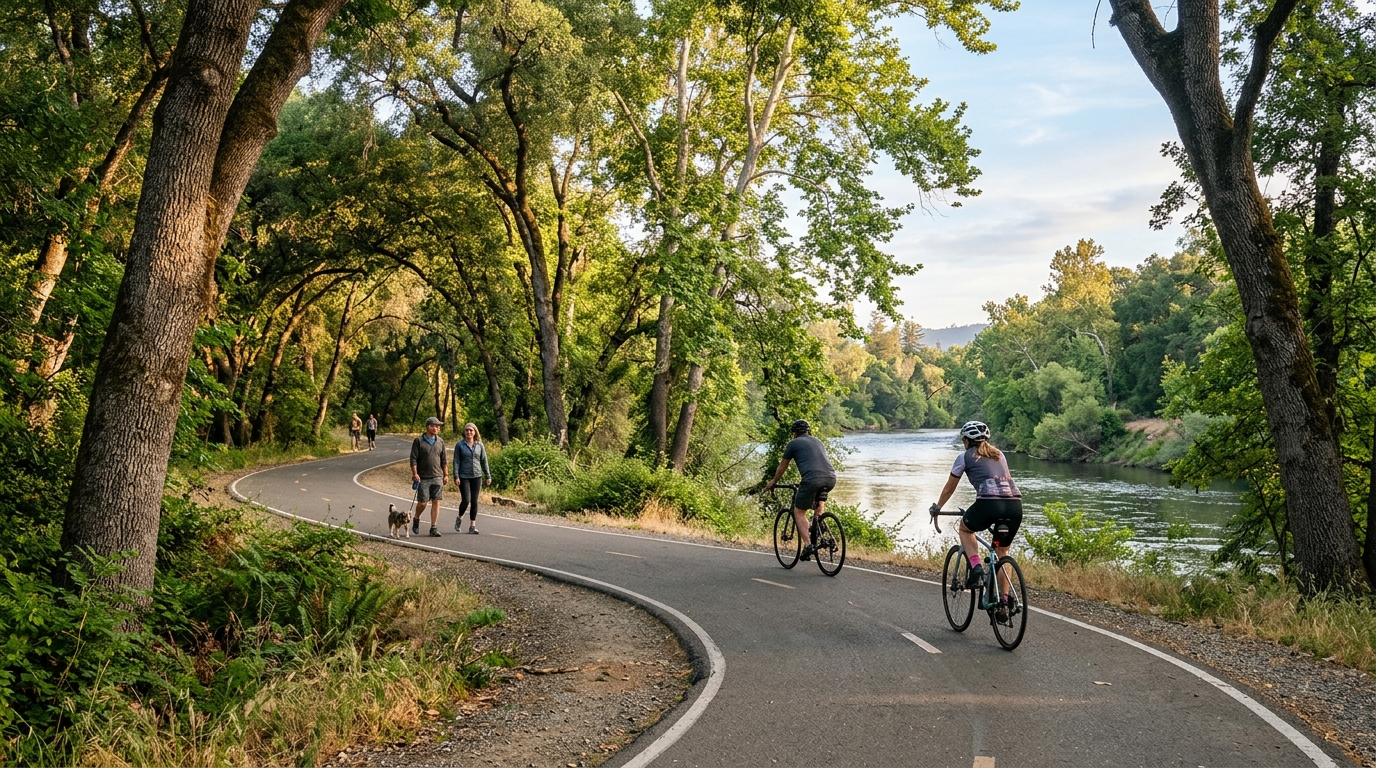
The American River Parkway day trip is one of Sacramento County’s most useful outdoor escapes because it can support very different kinds of days. You can cycle a long section of the paved trail, choose one shaded park for a picnic, walk beside the water, watch wildlife, or build a family outing around a short route and an early lunch. The key is not trying to “do the whole parkway.” A better plan starts with one activity, one access point, and enough flexibility for heat, trail traffic, changing river conditions, or temporary facility closures.
The parkway follows the American River through a broad green corridor and connects multiple recreation areas rather than functioning as a single gated park. Sacramento County describes the Jedediah Smith Memorial Trail as a 32-mile multi-use route used by cyclists, walkers, runners, skaters, and equestrians. That scale is useful, but it also means visitors should choose a manageable segment instead of arriving without a route. This guide explains how to build a practical day around the river while keeping safety, timing, parking, and current park conditions in view.
Choose the Right Parkway Experience Before You Leave
Match your starting point to the kind of day you want
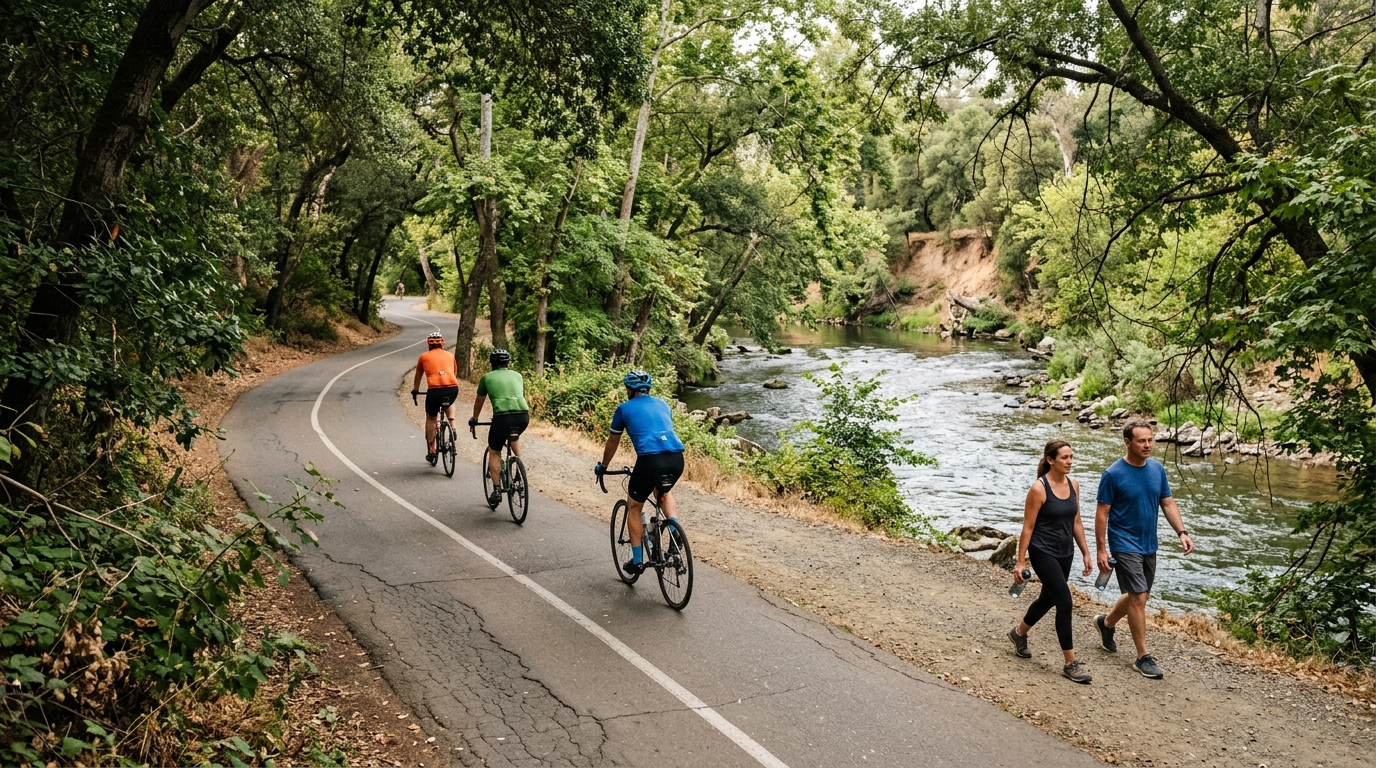
Start by deciding what matters most: riding, walking, picnicking, fishing, paddling, or simply spending time beside the river. For an urban introduction, Discovery Park places you near the meeting point of the American and Sacramento rivers and can work well with a broader Sacramento community itinerary. For a relaxed central stop, William B. Pond Recreation Area connects directly to the multi-use trail and provides picnic space, river habitat, and a fishing pond. Farther east, Sunrise Recreation Area offers trail access, river scenery, and a boat-launch setting that can suit experienced recreation users.
These locations should not be treated as interchangeable. A family looking for a short shaded walk may value restrooms, picnic tables, and a simple turnaround point. A confident cyclist may care more about trail connections and where to re-enter the route. Someone planning to get on the water needs a completely different safety checklist. Review the county’s current Regional Parks status page before departure because access points, restrooms, water service, and individual facilities can close even when the broader parkway remains open. American River Parkway day trip.
For a first visit, keep the route intentionally short
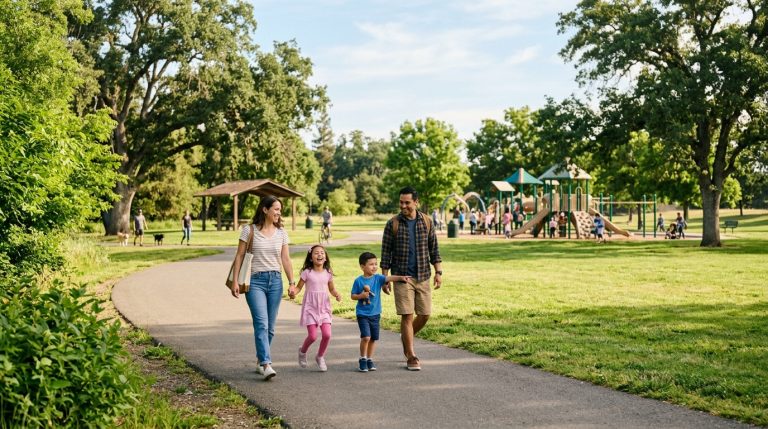
A first-time parkway day is usually better when the route leaves room for stops. Instead of setting an ambitious mileage target, choose an out-and-back segment that can be shortened without disrupting the day. Walkers might select a 30- to 60-minute riverside section. Casual cyclists can plan a comfortable turnaround near a recognizable bridge, recreation area, or picnic stop. Families should consider the slowest rider or walker in the group, not the strongest one.
This approach also reduces problems caused by afternoon heat, headwinds, unexpected crowding, or a tired child. Save a longer ride for a second visit after you understand the trail surface, crossings, shade, and access pattern. You can browse more ideas through the site’s Parks and Outdoors guide and Parks and Trails directory.
Build around morning conditions, not midday ambition
During hot weather, an early start generally creates a more comfortable outing and leaves time to finish before the most intense part of the afternoon. Bring more drinking water than you expect to need, use sun protection, and do not assume every fountain will be operating. The current status page sometimes lists temporary water or restroom outages at individual parkway locations, so a backup supply matters.
Morning timing can also make shared-trail use easier. Cyclists, runners, walkers, dogs, children, and equestrians may all be present. The goal is not to rush through the corridor but to move predictably and leave space for other users. American River Parkway day trip.
Understand trail rules before cycling or bringing an e-bike
The paved trail is shared infrastructure, not a private cycling course. Sacramento County’s published rules set a 15 mph speed limit, direct cyclists to pass on the left, require riders to pull completely off the trail when stopping, and advise single-file riding. Pedestrians are encouraged to use the left shoulder where accessible, while dogs must remain on a leash no longer than six feet. Bicycles are not allowed on non-paved parkway trails.
E-bike users should check the latest rules rather than relying on assumptions from other California trail systems. In June 2026, Sacramento County reported enforcement focused on excessive speed, unauthorized e-motorcycles, and prohibited Class 3 e-bikes on the parkway trail. If you are unsure how your vehicle is classified, review the current multi-use trail rules before loading it for the trip.
Plan a safe stopping and passing routine
Small habits make a crowded trail easier to use. Call out before passing, move back to the right after passing, and avoid stopping in the travel lane to check a phone or regroup. At road crossings and detours, follow posted signs instead of assuming the route continues uninterrupted. If your group becomes separated, agree in advance on a visible meeting point away from the trail surface.
For families with young riders, a neighborhood path or park loop may be a better learning environment than a busy multi-use corridor. The county notes that the parkway trail is best suited to riders who already know how to control, stop, and steer their bicycles confidently. More low-pressure outing options are available in the Family Activities guide.
Turn the Route Into a Comfortable Full-Day Outing
Combine movement, a picnic, and one slower stop
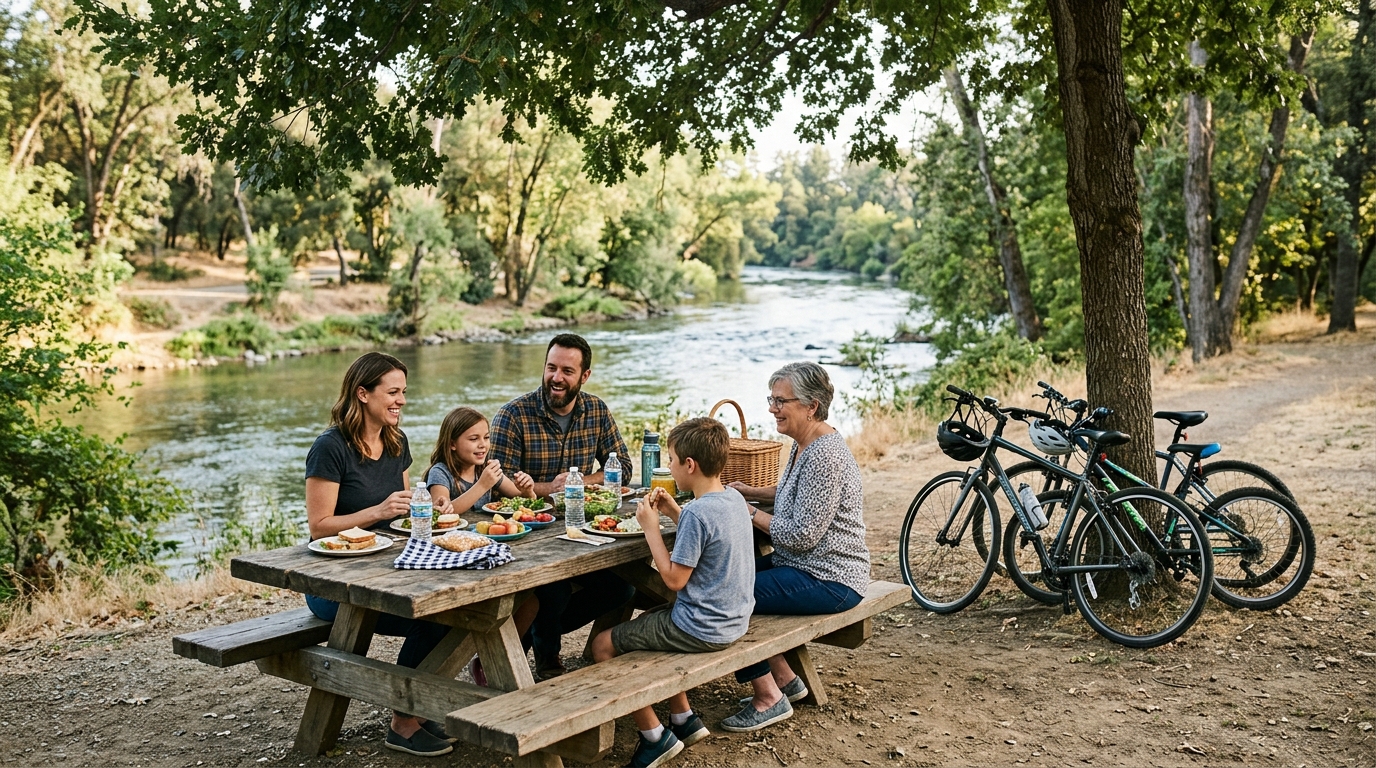
A satisfying parkway day needs rhythm. Begin with the active part while temperatures and energy levels are favorable. Follow it with a shaded picnic or casual meal, then end with a slower activity such as wildlife observation, photography, fishing, or a short walk. This structure works better than scheduling several distant access points and spending much of the day moving the car. American River Parkway day trip.
William B. Pond can support this kind of plan because the recreation area connects to the paved trail and includes picnic settings and varied river habitat. Sunrise can work for visitors who want an eastern access point and understand the stronger recreation focus there. Discovery Park can pair with downtown or waterfront plans, although visitors should verify current restroom and facility notes before relying on it as their primary stop.
Pack for the river even when you do not plan to swim
The American River can look calm from shore while still presenting cold water, current, submerged obstacles, and changing conditions. Keep children close to an attentive adult and treat shoreline access as a water-safety situation. California State Parks recommends a properly fitted U.S. Coast Guard-approved life jacket, checking weather and water conditions, avoiding alcohol or drugs while boating, and carrying required safety equipment for paddlecraft. Paddlers should verify current equipment requirements before launching.
Sacramento County Regional Parks also promotes life-jacket use and notes that borrowing stations are available at popular American River access points. Availability should not be assumed, so bringing correctly sized life jackets is the stronger plan. Never substitute an inflatable toy for approved safety equipment.
A practical day bag may include:
- Drinking water and electrolyte options
- Sun protection, hats, and lightweight layers
- A basic first-aid kit and any needed medication
- A printed or downloaded map in case reception is limited
- Bike repair basics when cycling
- Properly fitted life jackets for water activities
- Trash bags so everything brought in can leave with you
Vehicle entrance
Vehicle entrance fees are collected at several recreation areas, and some county pages currently list an $8 standard vehicle fee with higher charges for trailers, recreational vehicles, and buses. Holiday-weekend rates can increase. Treat those figures as planning guidance only and confirm the current fee on the official park page before visiting.
Finally, leave enough time to exit before closing. Many county recreation areas operate from sunrise to sunset, but special events, weather, maintenance, emergencies, or seasonal conditions may affect access. Check the status page on the morning of your visit, review the Getting Around guide for transportation planning, and keep one backup park or indoor stop in mind.
The best American River Parkway day is not the one with the most miles. It is the one that matches the group, respects the shared trail, leaves room for changing conditions, and makes the river corridor feel accessible enough to visit again.